
The 1960s Aboriginal Fruit-Picking Scheme — A Critical Evaluation: An Instructive History of Social Policy, Social Work and Central Australian Aborigines
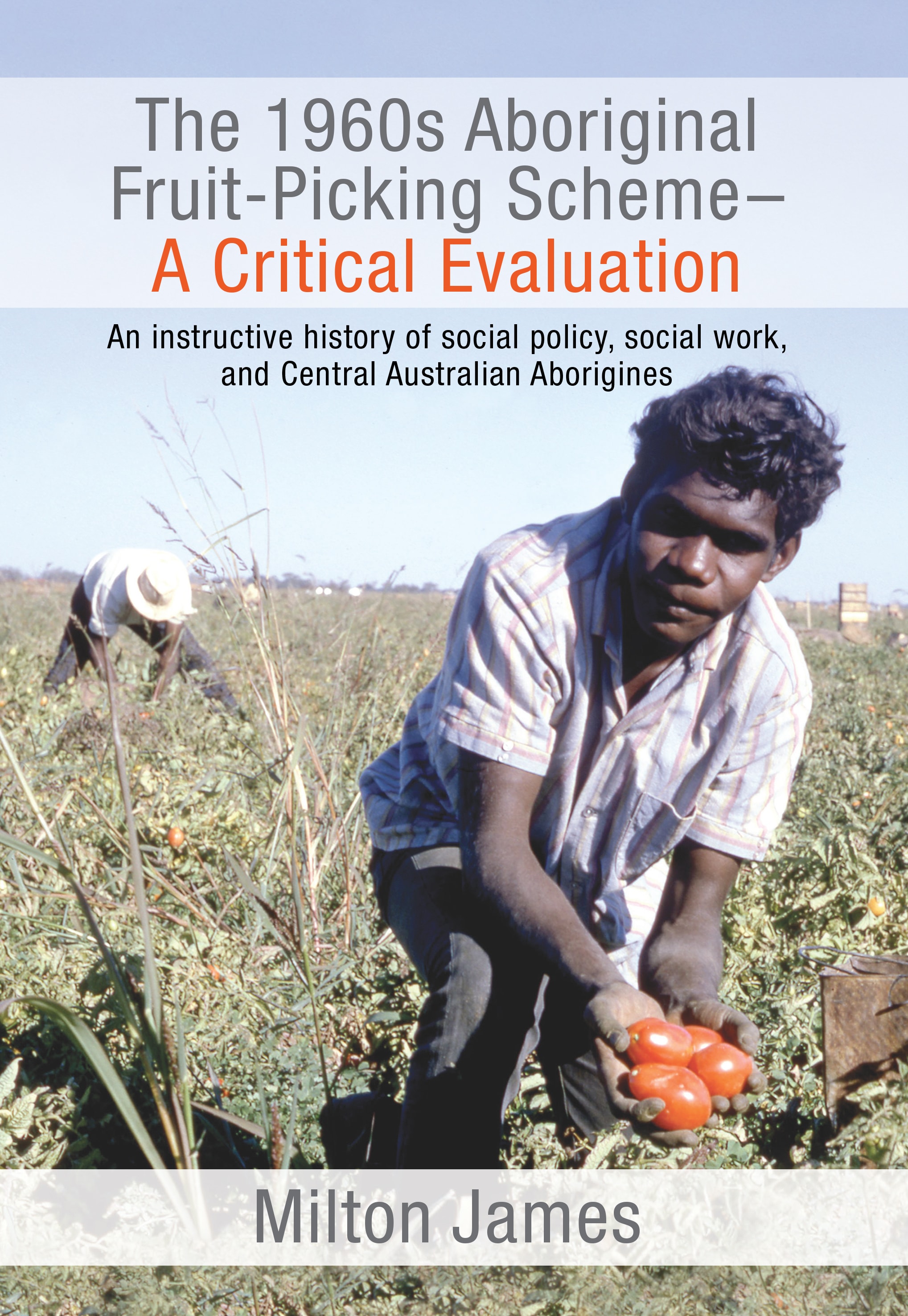
The 1960s Aboriginal Fruit-Picking Scheme — A Critical Evaluation: An Instructive History of Social Policy, Social Work and Central Australian Aborigines
Milton James
$65.00 AUD
Including postage within Australia
About This Book
This book reconstructs a largely forgotten Australian employment scheme that operated from 1965 to 1973, in which hundreds of Aboriginal men and women from Central Australian missions and settlements travelled to southern horticultural regions for seasonal work at award wages and conditions. Drawing on archival records and interviews with surviving participants and others involved, it examines what happened when people living in places with very limited employment were connected with employers elsewhere who needed labour. Despite significant variation between groups, the book finds that the scheme was, in the main, successful: many participants earned substantial unsubsidised incomes, met their own living and travel costs, paid tax, returned home with savings and goods, and valued the experience of working and encountering life beyond their settlements.
The book is also a critical examination of why this approach disappeared. It argues that the scheme was weakened by poor participant selection, inadequate supervision, alcohol-related problems, shortages of suitable staff and funding, administrative failures, and a changing policy philosophy that increasingly treated remaining on remote settlements as an acceptable end in itself. What began principally as a means of moving unemployed people into real employment was progressively recast by government as a "training" program, even though the underlying problem was the absence of sufficient real jobs where people lived. The broader lesson of the book is therefore about worker mobility: when viable employment does not exist locally, disadvantaged people need practical assistance to go where work exists, together with the support and supervision necessary to make that transition succeed.